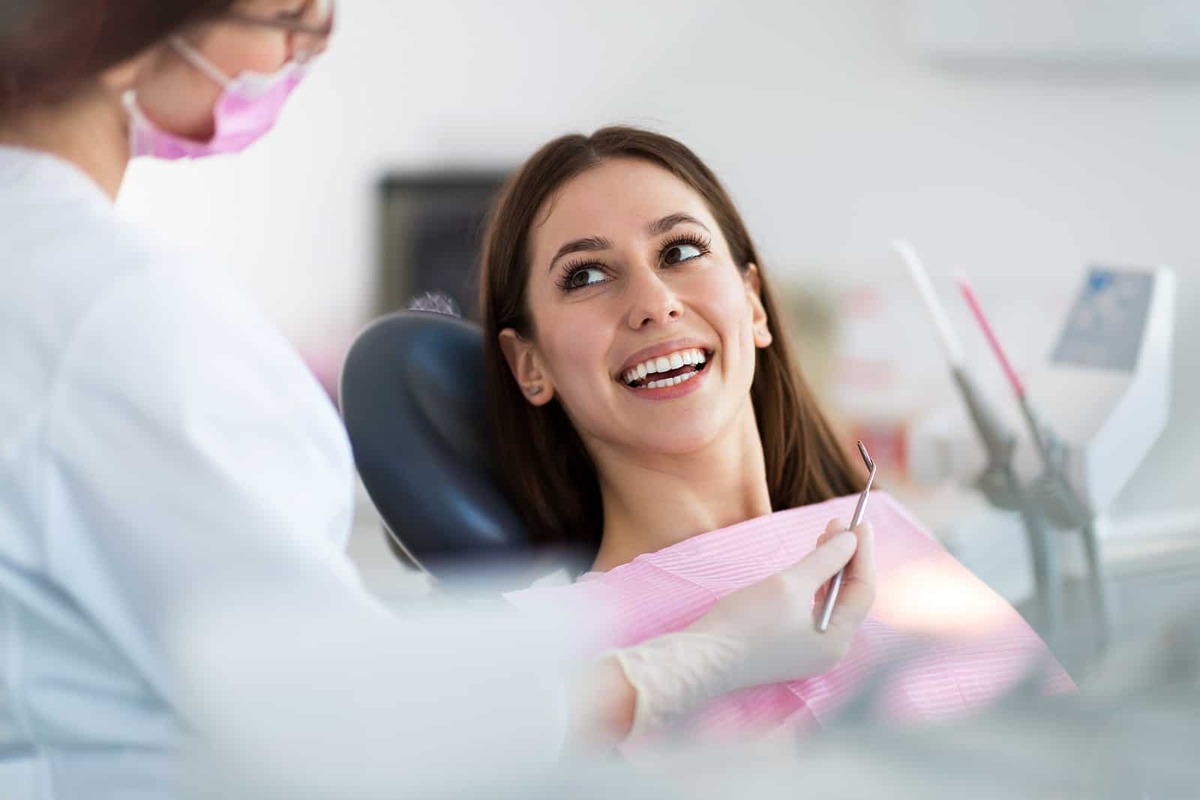
When you visit a dentist, you may focus on clean teeth or fixing cavities, but the materials used in your mouth matter too. Since fillings, crowns, and implants stay in the body for years, many people want to know if they are safe for their health. A biological dentist in Calgary may use materials designed to work safely with the body while supporting oral health. This approach, called biocompatibility in dentistry, focuses on how dental materials affect your mouth, gums, and overall health.
Understanding it can help you make informed choices about your dental care.
What Does Biocompatibility Mean in Dentistry?
Biocompatibility means a material is unlikely to cause harm or irritation to the body. In dentistry, this refers to materials that are safe to place in the mouth for long periods.
Since the mouth is connected to the rest of the body, dental materials should work safely with tissues, saliva, and bone. A biocompatible material should not:
- Trigger allergies
- Cause irritation
- Release harmful substances
- Damage to nearby tissues
- Create long-term health concerns
Dentists use many types of materials every day. Choosing the right one can improve comfort and reduce the chance of unwanted reactions.
Why Do Dental Materials Matter?
Dental materials stay in your mouth for years. Some people may react differently to certain metals, plastics, or chemicals. That is why material choice matters.
The right materials can help:
| Benefit | Why It Matters |
| Improve comfort | Reduces irritation in the mouth |
| Support healing | Helps gums and tissues recover properly |
| Lower sensitivity | Prevents discomfort from hot or cold foods |
| Reduce allergic reactions | Helps people with sensitivities feel safer |
| Protect long-term oral health | Supports healthy teeth and gums over time |
Even small reactions inside the mouth can affect daily life. Some people may notice soreness, burning, headaches, or unusual sensitivity when certain materials are used.
Which Dental Materials are Commonly Used?
Dentists use many materials depending on the treatment. Each one has different features and benefits.
Common dental materials include:
- Composite resins for fillings.
- Ceramic crowns.
- Porcelain veneers.
- Titanium implants.
- Gold restoration.
- Metal fillings.
- Bonding agents.
Materials may be selected for their strength, while others may be selected for their ability to blend in with teeth.
Biocompatibility considers both safety and compatibility when selecting materials.
How Can Dental Materials Affect Your Health?
Not every person reacts the same way to dental materials. While many people tolerate them well, others may be more sensitive.
Possible concerns may include:
- Gum irritation
- Mouth soreness
- Metallic taste
- Tooth sensitivity
- Allergic reactions
- Inflammation
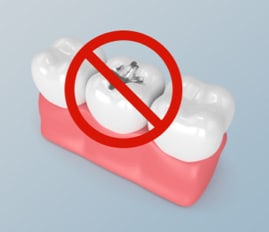
For example, some people are sensitive to certain metals used in older fillings or restorations. Others may prefer metal-free options because they feel more comfortable with those materials.
A dentist can discuss available choices and help decide which materials may suit your needs.
What Materials are Often Considered More Biocompatible?
Many modern dental materials are designed to work gently with the body while still being durable and effective.
Materials often viewed as biocompatible include:
Ceramic and Porcelain
These materials are commonly used for crowns and veneers because they:
- Match natural tooth color
- Do not contain metal
- Resist staining
- Feel smooth and comfortable
Composite Resin
Tooth-colored fillings made from composite resin are often used to repair cavities while keeping a natural appearance.
Titanium
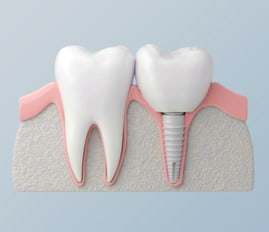
Titanium is widely used for dental implants because it bonds well with bone and is known for its strength and durability.
The right choice depends on the patient’s needs, oral health, and comfort level.
Why Do Some Patients Choose Metal-Free Dentistry?
There are patients who want to go with metal-free dental procedures because they need natural materials that will not make them sensitive.
These can be some of the reasons why patients would want metal-free materials:
- Allergy concerns.
- Desire for tooth-colored fillings.
- Prefer natural-looking teeth.
- Holistic dentistry preference.
- Comfort with non-metal material.
Metal-free options are now common in many dental treatments, especially for crowns, fillings, and veneers.
Can You Be Allergic to Dental Materials?
Yes, although it is not very common. Some people may have allergies or sensitivities to certain materials used in dental work.
Signs of a possible reaction may include:
- Redness in the mouth
- Burning feeling
- Swelling
- Persistent irritation
- Unexplained discomfort
If you have known allergies to metals or chemicals, it is important to tell your dentist before treatment begins.
A biological dentist near you may discuss different material options and help you understand what may work comfortably for your situation.
How Do Dentists Choose Safe Materials?
Dentists consider several things before choosing a material for treatment.
These may include:
- Your medical history
- Allergies or sensitivities
- The location of the tooth
- Strength needed for chewing
- Appearance preferences
- Long-term durability
Open communication is important. Asking questions about dental materials can help you feel informed and involved in your care.
What Questions Should You Ask About Dental Materials?
If you are unsure about a treatment, asking questions can help you feel more comfortable.
Here are a few helpful questions:
- What material will be used?
- Is it metal-free?
- How long does it last?
- Are there different options available?
- What are the benefits and risks?
- Will it look natural?
Understanding your choices can make dental visits less stressful and help you feel more confident about treatment decisions.
Support Your Oral Health With Health First Dental
Your oral health is connected to your overall well-being, and the materials used in your dental care can play an important role. Learning about biocompatibility helps you better understand how dental treatments may affect comfort, healing, and long-term health.
At Health First Dental, we believe in providing comfortable dental care, clear communication, and treatment choices that work for you. Book your appointment today and take the first step toward a better smile.