How Often Should You Replace Your Toothbrush?

Recent Posts

Written by
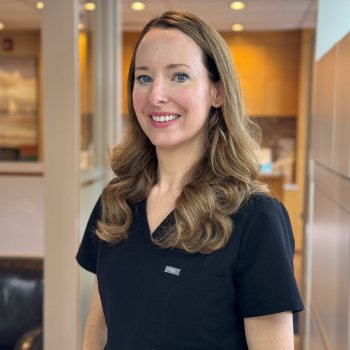
Dr. Jenna Kerbrat

Dr. Kerbrat was born and raised in Calgary, Alberta where she began her dental career as a dental assistant. This invaluable experience allowed her to work closely with patients and dentists, providing her with a unique perspective on the importance of compassionate and comprehensive dental care.

Dr. Kerbrat’s journey in the field of dentistry lead her all the way to Melbourne, Australia. This is where she earned her Doctor of Dental Surgery (DDS) degree. Her time spent in Australia allowed her to gain a deep understanding of dental practices and patient care within a diverse and vibrant community. Dr. Kerbrat enjoys focusing on whole-body health and personalized treatment to enhance overall well-being.

Beyond dentistry, Dr. Kerbrat enjoys travelling, baking, and spending time with family and friends.

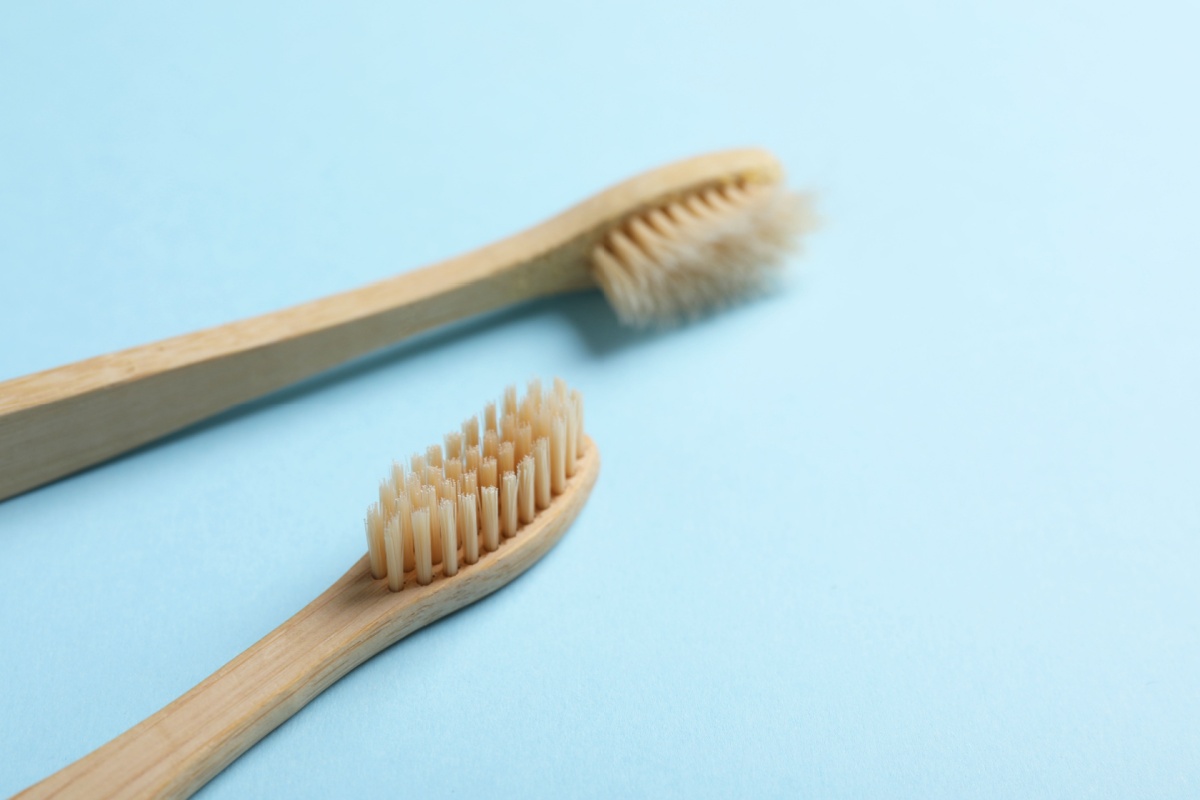
Comparison of worn bamboo toothbrush with frayed bristles next to new toothbrush with fresh intact bristles on blue background.

Your toothbrush sits in your bathroom every day, quietly collecting bacteria and slowly wearing down with each use. At Health First Dental, we know that even basic habits like replacing your toothbrush regularly matter for holistic oral health.

You should replace your toothbrush every three months, but certain situations like illness, gum disease, or frayed bristles mean you need a new one sooner. Getting this timing right can make a big difference in how clean your teeth feel and how healthy your mouth stays.

Why Your Toothbrush Replacement Schedule Matters

Fresh bristles bend and flex to reach between your teeth and along your gum line. When the bristles of your toothbrush get worn down, they can’t curve around the surfaces of your teeth the same way. You might brush for the same two minutes, but now you’re leaving more plaque behind.

Old toothbrushes also become breeding grounds for bacteria. Every time you brush, microorganisms from your mouth settle into the bristles. Even rinsing your toothbrush doesn’t remove the buildup over weeks of use. Proper brushing technique combined with fresh bristles helps maintain good oral hygiene.

Think of it like using a worn-out broom to sweep your floor. The bristles might still move around, but they’re not picking up dirt the way they used to.

When to Replace Your Toothbrush

The 3-Month Rule

Three months gives you enough time to get good use from your toothbrush without keeping it so long that it stops working properly. During this time, you’ll brush roughly 180 times, enough to gradually wear down quality bristles.

Your bristles start to lose their shape after about six weeks of regular use, but they can still clean well for another month or so. By month three, most toothbrushes have lost enough bristle integrity that replacement becomes necessary.

Signs Your Toothbrush Needs Replacement

  • Frayed or bent bristles that stick out at odd angles
  • Bristles that stay flat when you press and release them
  • Discolouration from toothpaste, food, or bacteria buildup
  • Musty or unpleasant smell even after rinsing
  • Visible wear patterns where bristles have been compressed

Replacing Your Toothbrush After Illness

Your toothbrush can harbor viruses and bacteria from colds, flu, or mouth infections long after you feel better. Using the same brush can potentially reintroduce these organisms back into your system.

Replace your toothbrush as soon as you start feeling sick, then again once you’ve recovered. This two-step approach helps prevent both spreading illness to family members and reinfecting yourself. 

Consider professional guidance if you experience persistent oral health issues following illness.

Electric Toothbrush Heads & Replacement

Electric toothbrush heads typically need replacement every two to three months, similar to manual brushes. In some cases, the rapid vibration or rotation can actually wear down bristles faster than manual brushing.

Many electric toothbrush heads have indicator bristles that fade from colored to white when replacement time arrives. You’ll also notice the same signs of deterioration as with manual brushes: fraying, loss of flexibility, and reduced cleaning effectiveness. Electric and manual toothbrushes both require regular replacement for good performance.

Some people find that they need to replace electric brush heads more frequently because the mechanical action puts extra stress on the bristles.
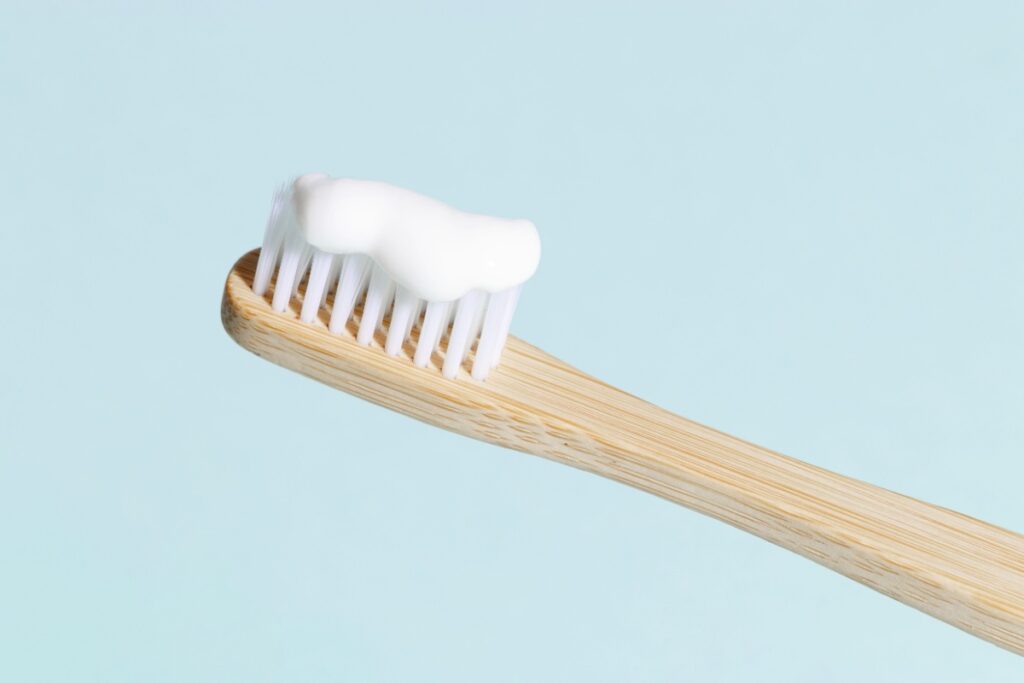
Eco-friendly bamboo toothbrush with white toothpaste on natural bristles for holistic dental care routine.

Special Circumstances for More Frequent Changes

Gum Disease or Periodontal Issues

When you have gum disease, your mouth produces more bacteria than usual. These organisms can build up in your toothbrush bristles faster, potentially working against your treatment progress.

Our team at Health First Dental often recommends monthly toothbrush replacement for patients undergoing laser gum therapy or other gum disease treatment. This helps support the healing process by reducing bacterial reintroduction.

Immune System Concerns

If your immune system is compromised, the bacteria that naturally accumulate in toothbrush bristles pose a higher risk to your health. More frequent replacement—every four to six weeks—can help reduce this bacterial load.

Some patients benefit from material sensitivity dental testing to identify toothbrush materials that work better with their individual biology. Natural bristles, synthetic materials, and different handle compositions can all affect sensitive individuals differently.

Hard Brushing Habits

Aggressive brushing wears out bristles much faster than gentle technique. If you tend to scrub hard, you might need new toothbrushes every six to eight weeks instead of three months.

Learning proper brushing pressure not only helps your toothbrush last longer, but it also protects your tooth enamel and gum tissue from damage. Light, circular motions work better than back-and-forth scrubbing; imagine that you’re brushing a tomato. 

Choose the Right Toothbrush for Your Health

Bristle Type & Hardness

Soft bristles clean better than medium or hard bristles because they flex to reach into gum pockets and between teeth without causing damage. They also last longer because they’re less likely to bend permanently out of shape.

Medium and hard bristles can actually damage tooth enamel and gum tissue over time, especially if you brush with moderate to heavy pressure. Despite what you might assume, harder bristles don’t clean better than soft ones. They’re only appropriate for cleaning dentures or dental appliances, never for your natural teeth.

Handle Design & Comfort

A comfortable grip helps you maintain proper brushing technique for the full two minutes. Look for handles that feel secure in your hand without requiring a tight grip. Some people find thicker handles easier to control, while others prefer standard sizes.

Material Considerations

Toothbrush materials vary widely, and what works best depends on your individual needs and values. Bamboo handles and natural bristles offer eco-friendly alternatives to traditional plastic and nylon. Some people prefer synthetic materials for specific performance characteristics, while others find natural options better suit their biology.

Material sensitivity dental testing can help identify which toothbrush components work better with your individual biology, especially if you notice irritation or allergic reactions during your oral care routine. At Health First Dental, our biological dentistry approach considers how different materials interact with your body’s natural systems.

Supporting Your Body’s Natural Balance

Regular toothbrush replacement fits naturally into a holistic approach to oral health. Fresh bristles help maintain the mechanical plaque removal that supports your mouth’s natural balance of bacteria. For those who follow fluoride free dental care routines, effective brushing with fresh bristles maximizes mechanical plaque removal and supports your mouth’s natural remineralization processes.

At Health First Dental, our team considers factors like your immune response, material sensitivities, and current oral health status when making recommendations for your home care routine. Schedule an appointment with us to discuss how proper toothbrush maintenance fits into your personalized oral health plan.
Erin, Front Desk Administrator/Hygiene Coordinator

Erin is the newest addition to the Health First Dental team. After raising 4 awesome kids she has joined the work force again. Erin began work many years ago in reception and customer/patient care for an orthopedic surgical centre and she is excited to be back at it. She has been a long-time patient of Dr. Freiberg and has known the Health First Dental team for many years. She is so happy to be a part of the team now.

Melanie, Registered Dental Assistant

Melanie brings a unique perspective to her role, having transitioned from a successful 17-year career in retail to the dental field. A graduate of the Risio Institute for Digital Education, she combines her extensive customer service experience with a deep commitment to patient care, ensuring that everyone feels comfortable and at ease during their visits.

Outside of work, Melanie enjoys painting, taking walks, and traveling to new places. She loves sunsets and spending quality time with her fur-baby who is an adorable Chorkie. Melanie is committed to continuously learning and growing in her role with the goal of always providing the best support to her patients and colleagues alike.

Michelle, Registered Dental Assistant

Jennifer is a dedicated and skilled Registered Dental Assistant that has been with Health First Dental since 2007. She is known for her strong attention to detail, compassionate patient care, and exceptional clinical skills, Jennifer is passionate about ensuring patients feel both comfortable and informed throughout their dental treatment.

Specializing in a variety of dental procedures, Jennifer assists in restorative, cosmetic, and surgical dentistry, contributing to the high standard of care that Health First Dental is known for. Her commitment to excellence and patient satisfaction is reflected in every aspect of her work.

When not assisting in the dental office, Jennifer enjoys spending quality time with her husband and children.

Jennifer, Registered Dental Assistant

Jennifer is a dedicated and skilled Registered Dental Assistant that has been with Health First Dental since 2007. She is known for her strong attention to detail, compassionate patient care, and exceptional clinical skills, Jennifer is passionate about ensuring patients feel both comfortable and informed throughout their dental treatment.

Specializing in a variety of dental procedures, Jennifer assists in restorative, cosmetic, and surgical dentistry, contributing to the high standard of care that Health First Dental is known for. Her commitment to excellence and patient satisfaction is reflected in every aspect of her work.

When not assisting in the dental office, Jennifer enjoys spending quality time with her husband and children.

Amanda, Registered Dental Assistant

Amanda is originally from Saskatchewan and moved to Calgary to attend school at SAIT where she completed her Dental Assisting diploma with honours. Amanda has been practicing as a dental assistant since 2004 and has been with the Health First Dental team since 2005.

Amanda values the quality of care each patient receives. Her skills and experience combined with her positive attitude and genuine love for patients raises our level of care at Health First Dental.

When not working, Amanda enjoys spending time with her husband, two kids and dog.

Ryan, Registered Dental Hygenist

Ryan went to school in Regina, Saskatchewan and graduated in 2000. He joined Health First Dental in 2006 and enjoys the relationships he has built over the years. Ryan likes spending time with his wife and four children in his spare time.

Tracy, Registered Dental Hygenist

As a dedicated registered dental hygienist with over 25 years of experience, Tracy is genuinely committed to helping patients achieve and maintain optimal oral health and well-being. She is committed to building strong relationships with patients and takes pride in creating a comfortable environment while ensuring thorough cleanings and personalized care.

Continuously striving to enhance her skills, Tracy keeps herself updated with the latest advancements in dental hygiene through ongoing education and professional development. She is an active member of the Alberta College of Dental Hygienists.

Outside of her work at Health First Dental, you will find Tracy engaged with animal husbandry for numerous animals on the small hobby farm she shares with her husband and twin daughters. She also enjoys camping with her family, reading, and crafting.

Patricia, Registered Dental Hygenist

Patricia was born and raised in Nova Scotia. She completed her BSc with a major in human nutrition from St.F.X University in 1999. She went on to study dental hygiene at Dalhousie University, graduating in 2002. She moved to Calgary in the fall of 2002 and has been practicing dental hygiene ever since.

She enjoys all the relationships she has built over her 20+ year career. She is keen to educate patients and help them achieve a healthy smile to improve their overall health.

Outside of the office she purses her passion for fitness and dance, teaching ballet-based fitness classes. She enjoys escaping to the mountains to ski or hike with her husband, son, and dog.

Moni, Registered Dental Hygenist

Moni graduated from the University of Manitoba in 2001, moved to Calgary in 2002, and has enjoyed working as a dental hygienist since then.

She is passionate about oral health and believes prevention is the best medicine for overall health and your smile. She enjoys working with her patients to help them achieve their best oral and overall health and making new relationships.

Moni spends much of her free time with her husband, two sons, and dog, enjoying the outdoors, travel, and music.

Sommer, Front Desk Administrator/Hygiene Coordinator

Sommer has been a part of our team since 2016, serving as an Admin/Hygiene Coordinator. With a strong focus on patient care, she has developed a deep understanding of the importance of creating a welcoming and efficient environment for our patients. Currently on maternity leave to enjoy time with her first child, Sommer looks forward to returning and continuing to provide exceptional support to both our team and our patients.

Carol, Office Manager

Carol is a dedicated dental professional with over 38 years of experience in various aspects of dentistry. She has been with Health Frist Dental for over 23 years and is known for her exceptional people skills and commitment to patient care. Carol is highly knowledgeable in dental procedures, patient management, and team collaboration. She is passionate about building relationships with patients and colleagues alike.

Carol enjoys travelling with her husband and spending quality time with her grandchildren.

Dr. Jenna Kerbrat, Dentist

Dr. Kerbrat was born and raised in Calgary, Alberta where she began her dental career as a dental assistant. This invaluable experience allowed her to work closely with patients and dentists, providing her with a unique perspective on the importance of compassionate and comprehensive dental care.

Dr. Kerbrat’s journey in the field of dentistry lead her all the way to Melbourne, Australia. This is where she earned her Doctor of Dental Surgery (DDS) degree. Her time spent in Australia allowed her to gain a deep understanding of dental practices and patient care within a diverse and vibrant community. Dr. Kerbrat enjoys focusing on whole-body health and personalized treatment to enhance overall well-being.

Beyond dentistry, Dr. Kerbrat enjoys travelling, baking, and spending time with family and friends.

Dr. Sean Freiberg, Dentist

Dr. Sean Freiberg has been practicing health-centered dentistry for over 25 years with a robust academic background and a commitment to excellence in his field. He graduated Cum Laude from Brigham Young University in 1994, and furthered his education at Oregon Health Sciences University, where he earned his dental degree in 1999 with both clinical and academic high honors.

Dr. Freiberg took an interest in dental material during his academic training, which earned him the American Academy of Dental Materials Award. His research, published in the American Journal of Dentistry focused on the physical properties of resin based dental materials used as an alternate to ceramic. Additionally, Dr. Freiberg is a member of the International Academy of Oral Medicine and Toxicology (IAOMT)–a global network of dentists, health professionals, and scientists who research the biocompatibility of dental products, including the risks of mercury fillings, fluoride, and root canals. (Click here to learn more about IAOMT)

Outside of his professional life, Dr. Freiberg enjoys spending time with his wife, 3 children, and 2 grandchildren. Dr. Freiberg is an avid outdoorsman. His passions include hiking, backcountry skiing, and participating in triathlons, reflecting his commitment to both personal well-being and a balanced lifestyle.

587-848-5753